
 Bankruptcy should not be taken lightly and it should be used as a last resort. Because bankruptcy can have lasting effects on your credit score, it’s important to consult with our experienced attorneys at Marty Martin Bankruptcy Law before filing for bankruptcy in Oklahoma. Call us today to request a consultation, where we’ll walk you through your potential options for debt relief at no risk or charge to you. In the meantime, we hope this guide on how to file for bankruptcy in Oklahoma will walk you through each step of the process, making it easier to file for yourself or letting you know when it’s time to seek legal counsel.
Table Of Contents
- Initial Meeting With An Attorney
- How A Lawyer Helps
- Post-Discharge Tips
- Our Guide To Bankruptcy In Oklahoma
- Infographic
- Bankruptcy Statistics
- FAQs
Different Types Of Bankruptcy
Chapter 7 isn’t the only type of bankruptcy that someone can file for. There are actually a few other bankruptcy types that either an individual or a company can file for too. These bankruptcy types vary in usage as some are for municipalities, companies, certain organizations, businesses, and other entities. Bankruptcy overall is a great way for either individuals or companies to settle their debts and get out of the financial troubles that they find themselves in. It’s important to understand the different types of bankruptcy and which ones are for individuals and which ones are for entities like companies or municipalities. Keep reading to learn more about bankruptcy and how to file bankruptcy in Oklahoma from our attorney with over 20 years of experience in the field.
Chapter 7 Bankruptcy
Chapter 7 bankruptcy is a liquidation proceeding in which the debtor’s nonexempt assets are sold by the trustee and the proceeds are distributed to creditors. The debtor is then discharged from most debts.
Chapter 13 Bankruptcy
Chapter 13 is similar to chapter 7 in one important way. That way is that this bankruptcy type, like chapter 7, is typically filed by individuals. They differ though in that chapter 7 has someone liquidate assets to pay back creditors and chapter 13 puts someone on a repayment plan to pay back their debts. Chapter 13 is a good way for individuals to keep their assets, like a house or car, and still be able to repay their debts with a monthly plan. This bankruptcy type could be a great option for someone who wishes not to have assets liquidated and would rather be put on a repayment plan. Contact our bankruptcy lawyer today for assistance with filing bankruptcy in Oklahoma and to learn more about the bankruptcy process itself.
Other Types of Bankruptcy
There are other types of bankruptcy that a business may file for. Chapter 11 bankruptcy is a way for businesses or big corporations and organizations to remain in business while they repay their debts. They will be placed on a repayment plan to repay their creditors while still being allowed to operate the business or company. Many large companies have gone through this process. Another bankruptcy type that is filed by an entity like a municipality or school district is chapter 9. This bankruptcy type serves as a way for municipalities or school districts to repay their debts while still operating the district or municipality. A repayment plan will be established by creditors to ensure that a realistic financial decision for repayment is established.
Initial Meeting With Our Bankruptcy Attorney
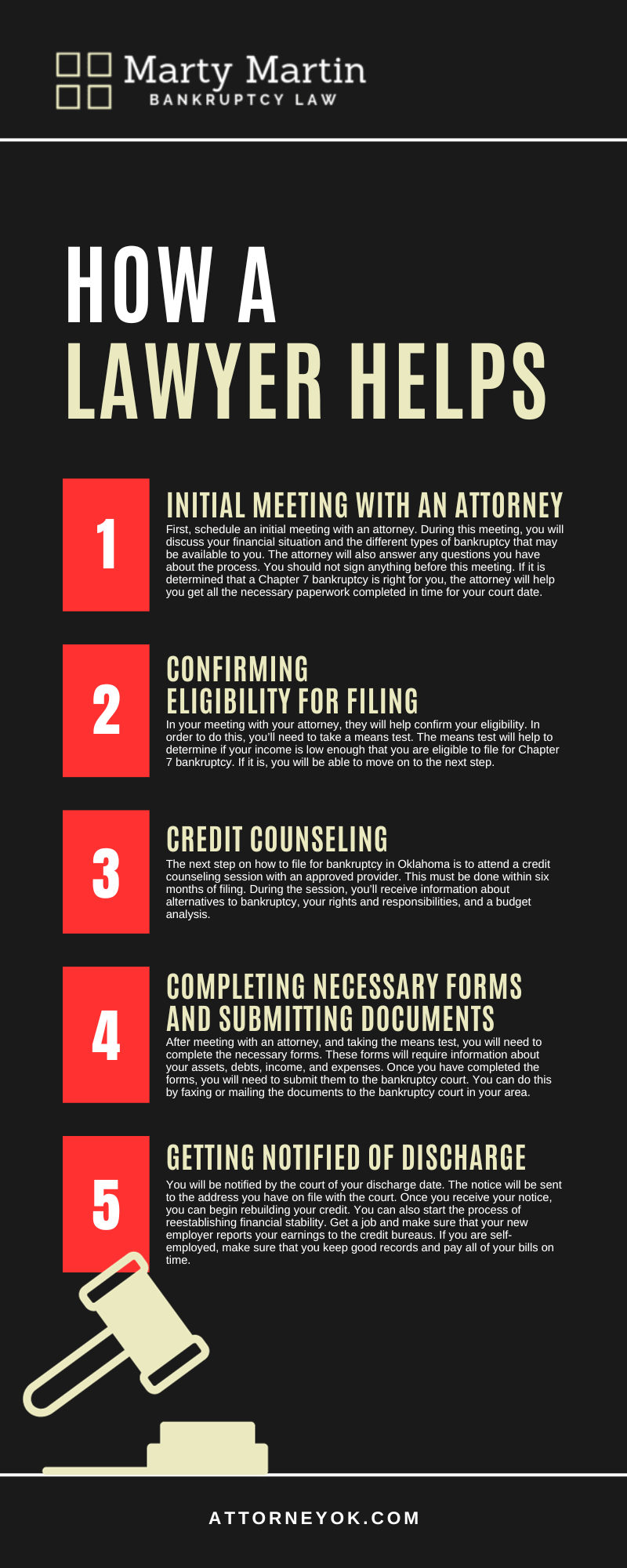
First, schedule an initial meeting with our bankruptcy lawyer. During this meeting, you will discuss your financial situation and the different types of bankruptcy that may be available to you. Our attorney will also answer any questions you have about the process. You should not sign anything before this meeting. If it is determined that a Chapter 7 bankruptcy is right for you, our lawyer will help you get all the necessary paperwork completed in time for your court date.
Confirming Eligibility For Filing
In your meeting with our attorney, we will help confirm your eligibility. In order to do this, you’ll need to take a means test. The means test will help to determine if your income is low enough that you are eligible to file for Chapter 7 bankruptcy. If it is, you will be able to move on to the next step.
Credit Counseling
The next step in filing for bankruptcy in Oklahoma is to attend a credit counseling session with an approved provider. This must be done within six months of filing. During the session, you’ll receive information about alternatives to bankruptcy, your rights and responsibilities, and a budget analysis.
Completing Necessary Forms And Submitting Documents
After meeting with our attorney, and taking the means test, you will need to complete the necessary forms. These forms will require information about your assets, debts, income, and expenses. Once you have completed the forms, you will need to submit them to the bankruptcy court. You can do this by faxing or mailing the documents to the bankruptcy court in your area. You may also be able to file these documents electronically.
Getting Notified Of Discharge
You will be notified by the court of your discharge date. The notice will be sent to the address you have on file with the court. Once you receive your notice, you can begin rebuilding your credit. You can also start the process of reestablishing financial stability. Get a job and make sure that your new employer reports your earnings to the credit bureaus. If you are self-employed, make sure that you keep good records and pay all of your bills on time. Pay off any outstanding debts as soon as possible so that they don’t become collector accounts which negatively affect your credit score for years after being settled.
How A Lawyer Helps Infographic
Post-Discharge Tips
Congratulations on completing the bankruptcy process! Here are a few tips to help you get back on your feet after the discharge:
- Keep up with payments.
- Stay in contact with creditors.
- File taxes as required.
- Don’t try to borrow money from friends or family.
Contact our attorney at Marty Martin Bankruptcy Law today for help on how to file for bankruptcy in Oklahoma.
Our Guide To Bankruptcy In Oklahoma
Filing for bankruptcy can be a daunting process, but with the right guidance and support, it can be a fresh start for those facing financial difficulties. At our bankruptcy law firm, we understand the challenges you may be facing, and we’re here to help. In this step-by-step guide, we’ll walk you through how to file bankruptcy in Oklahoma, providing you with the information you need to make informed decisions about your financial future.
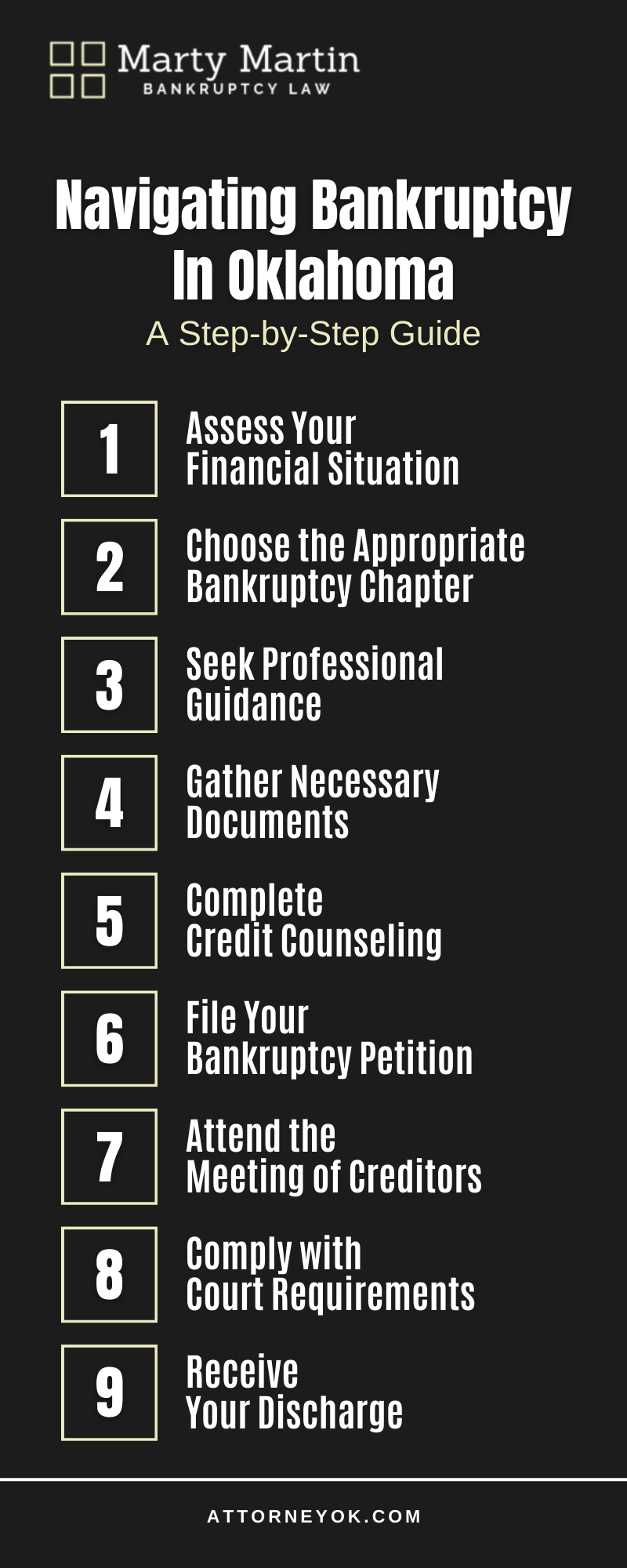
- Assess Your Financial Situation
Before diving into the bankruptcy process, take a close look at your financial situation. Determine if bankruptcy is the right option for you by evaluating your debts, income, and assets. Understanding your financial standing will help you decide which type of bankruptcy to pursue.
- Choose the Appropriate Bankruptcy Chapter
Oklahoma offers two common types of bankruptcy: Chapter 7 and Chapter 13. Chapter 7 is often referred to as “liquidation” bankruptcy, while Chapter 13 is a “reorganization” bankruptcy. Each has its eligibility criteria and benefits, so it’s important to choose the one that aligns with your financial goals and circumstances.
- Seek Professional Guidance
Filing for bankruptcy involves complicated legal procedures and paperwork. It’s highly advisable to consult with our experienced bankruptcy attorney. Our team can help you understand the intricacies of bankruptcy laws in Oklahoma and guide you through the entire process.
- Gather Necessary Documents
To file for bankruptcy, you’ll need to provide detailed financial information. This includes income records, tax returns, a list of assets and debts, recent financial transactions, and more. Our bankruptcy lawyer will help you compile and organize these documents accurately.
- Complete Credit Counseling
Before filing for bankruptcy in Oklahoma, you’re required to undergo credit counseling from an approved agency. This counseling aims to help you explore alternatives to bankruptcy and gain a better understanding of your financial situation.
- File Your Bankruptcy Petition
With the assistance of our attorney, you’ll prepare and file your bankruptcy petition and related documents with the Oklahoma bankruptcy court. The court will assign a trustee to oversee your case and schedule a meeting of creditors.
- Attend the Meeting of Creditors
During this meeting, you’ll answer questions from the trustee and any creditors who wish to attend. Our credit lawyer will be by your side to provide support and guidance throughout the process.
- Comply with Court Requirements
Depending on the type of bankruptcy you file, you’ll need to meet specific court requirements, such as completing a financial management course. Our attorney will make sure you fulfill all necessary obligations.
- Receive Your Discharge
Upon successful completion of your bankruptcy case, you will receive a discharge, which eliminates eligible debts. This fresh start allows you to rebuild your financial life with a clean slate.
Navigating Bankruptcy In Oklahoma Infographic
When You Need Help Filing
Filing for bankruptcy in Oklahoma can be a life-changing decision, and it’s essential to manage the process correctly. At Marty Martin Bankruptcy Law, we’re here to guide you every step of the way, from assessing your financial situation to receiving your discharge. If you’re wondering how to file bankruptcy in Oklahoma, trust our experienced team to provide the support and legal advice you need.
Don’t let financial hardship hold you back. Contact us today to schedule a consultation and take the first step toward a brighter financial future. We’re here to help you regain control of your finances and start anew.
Bankruptcy Statistics
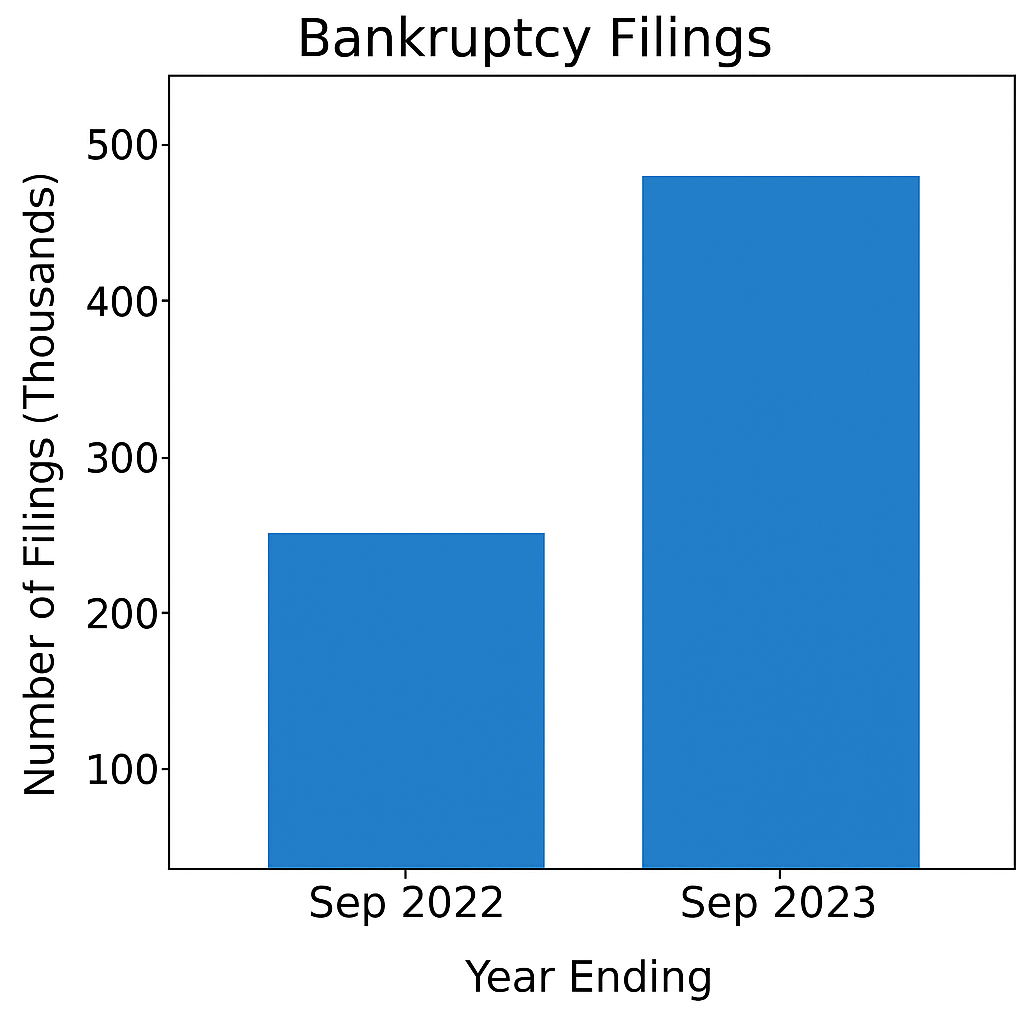
According to statistics released by the Administrative Office of the U.S. Courts, annual bankruptcy filing increased by 13 percent. The number of filings totaled 433,658 in the year ending September 2023, compared with 383,810 cases in the previous year.
Business filings rose 29.9 percent, from 13,125 to 17,051, in the year ending Sept. 30, 2023. Non-business bankruptcy filings rose 12.4 percent to 416,607, compared with 370,685 in September 2022.
How To File Bankruptcy FAQs
What Are The Different Types Of Bankruptcy Available In Oklahoma?
Many individuals who want to learn how to file bankruptcy in Oklahoma usually file for certain types of bankruptcy like Chapter 7 or Chapter 13. Chapter 7, also known as “liquidation bankruptcy,” allows you to discharge most unsecured debts, while Chapter 13 enables you to create a manageable repayment plan for your debts over three to five years. The choice between these options depends on your unique financial situation and goals. It’s important to note that bankruptcy laws and eligibility criteria can be complicated, so seeking the guidance of our experienced attorney is important to determine the best path forward for your specific circumstances.
What Are The Eligibility Requirements For Filing Bankruptcy In Oklahoma?
There are certain criteria that must be met for anyone who is considering filing for bankruptcy in Oklahoma, and it is important that all requirements must be met. For Chapter 7, you’ll need to pass the means test, which evaluates your income and expenses. Chapter 13 requires you to have a steady income to create a repayment plan. Our experienced bankruptcy attorneys can assess your eligibility and help you choose the most suitable option. We understand that each individual’s financial situation is unique, and we’ll work with you to ensure you meet the necessary requirements while protecting your interests.
How Does Bankruptcy Affect My Assets, Such As My Home And Car?
Depending on the type of bankruptcy that you file and what kind of debt that you have, there are many ways that bankruptcy can impact your assets. Under Chapter 7, non-exempt assets may be sold to repay creditors, but exemptions protect your essential property, such as your primary residence and vehicle. Chapter 13 allows you to keep your assets while repaying a portion of your debts over time, making it a suitable option for those looking to protect their property. Our bankruptcy protection lawyer will carefully assess your assets and develop a strategy to minimize any potential impact on your valuable possessions and avoid foreclosure.
Will Bankruptcy Affect My Credit Score, And How Long Does It Stay On My Credit Report?
While filing for bankruptcy is a major decision that should not be taken lightly or rushed and does affect your credit score, it will only be temporarily negatively impacted, and it will be able to recover eventually if you take the right actions. Chapter 7 bankruptcies typically stay on your report for ten years, while Chapter 13 bankruptcies stay for seven years. However, with responsible financial management, you can start rebuilding your credit soon after your bankruptcy is discharged. Our experienced bankruptcy attorneys can provide guidance on how to gradually improve your credit score, offering you a path toward financial recovery and stability.
What Steps Should I Take To Begin The Bankruptcy Process In Oklahoma?
To initiate the bankruptcy process in Oklahoma, you’ll need to gather financial documents, complete credit counseling, and file a petition with the bankruptcy court. Working with our experienced bankruptcy attorney is essential, as we can guide you through each step, confirm all necessary paperwork is filed correctly, and represent your interests during court proceedings. If you need help with tasks like preparing your financial documents, understanding eligibility requirements, and want to learn more details about how to file bankruptcy in Oklahoma properly, schedule a consultation with our bankruptcy lawyer right away.

How To File Bankruptcy Glossary
Filing for financial relief can be difficult, especially when trying to file bankruptcy in Oklahoma. This glossary offers clear definitions and explanations for five essential terms related to the bankruptcy process. Each one plays a direct role in helping you understand your legal options and responsibilities as you move forward.
Chapter 7
This type of bankruptcy is commonly called liquidation. When someone files under Chapter 7, a trustee is appointed to review the filer’s assets. Any property not protected by exemption laws may be sold to pay back creditors. This route is typically available to individuals with limited income and few assets. Once the process is complete, most unsecured debts, like credit card balances and medical bills, are discharged. The entire case often wraps up in a matter of months.
Chapter 13
Chapter 13 bankruptcy allows individuals with a steady income to set up a repayment plan for their debts. Instead of selling assets, the filer makes monthly payments over three to five years, based on a court-approved budget. This type of bankruptcy can help someone catch up on overdue mortgage or car payments while keeping their property. It’s often used by people who don’t qualify for Chapter 7 due to higher income or want to avoid asset liquidation.
Means Test
Before filing for Chapter 7, individuals must pass the means test. This financial assessment reviews the filer’s income over the last six months compared to the median income in Oklahoma. If income is below the threshold, Chapter 7 may be available. If income is too high, Chapter 13 may be the only option. The test also accounts for expenses to determine how much disposable income, if any, remains for debt repayment.
Credit Counseling
Federal law requires anyone filing for bankruptcy to complete a credit counseling course from an approved provider. This session must take place within 180 days before filing. The goal is to provide education on managing money and explore alternatives to bankruptcy. Once completed, the agency provides a certificate that must be filed with the court. Failing to complete credit counseling may result in dismissal of the case.
Discharge
A discharge is the court’s order releasing the filer from personal liability for certain debts. Once a debt is discharged, the filer no longer has a legal obligation to pay it, and creditors must stop any collection activity. Chapter 7 discharges typically occur a few months after filing, while Chapter 13 discharges come after the full repayment period is complete. Not all debts can be discharged—student loans and some tax debts usually remain.
For those ready to take the next step, Marty Martin Bankruptcy Law can help you make sense of your financial situation and guide you through the process of filing bankruptcy in Oklahoma with clarity and focus.
Contact us today to schedule a consultation. We’re here to provide legal help during bankruptcy by making sure you move forward with a plan that fits your needs.
Marty Martin Bankruptcy Law, Bankruptcy Lawyers